
멘토 특강 감상문
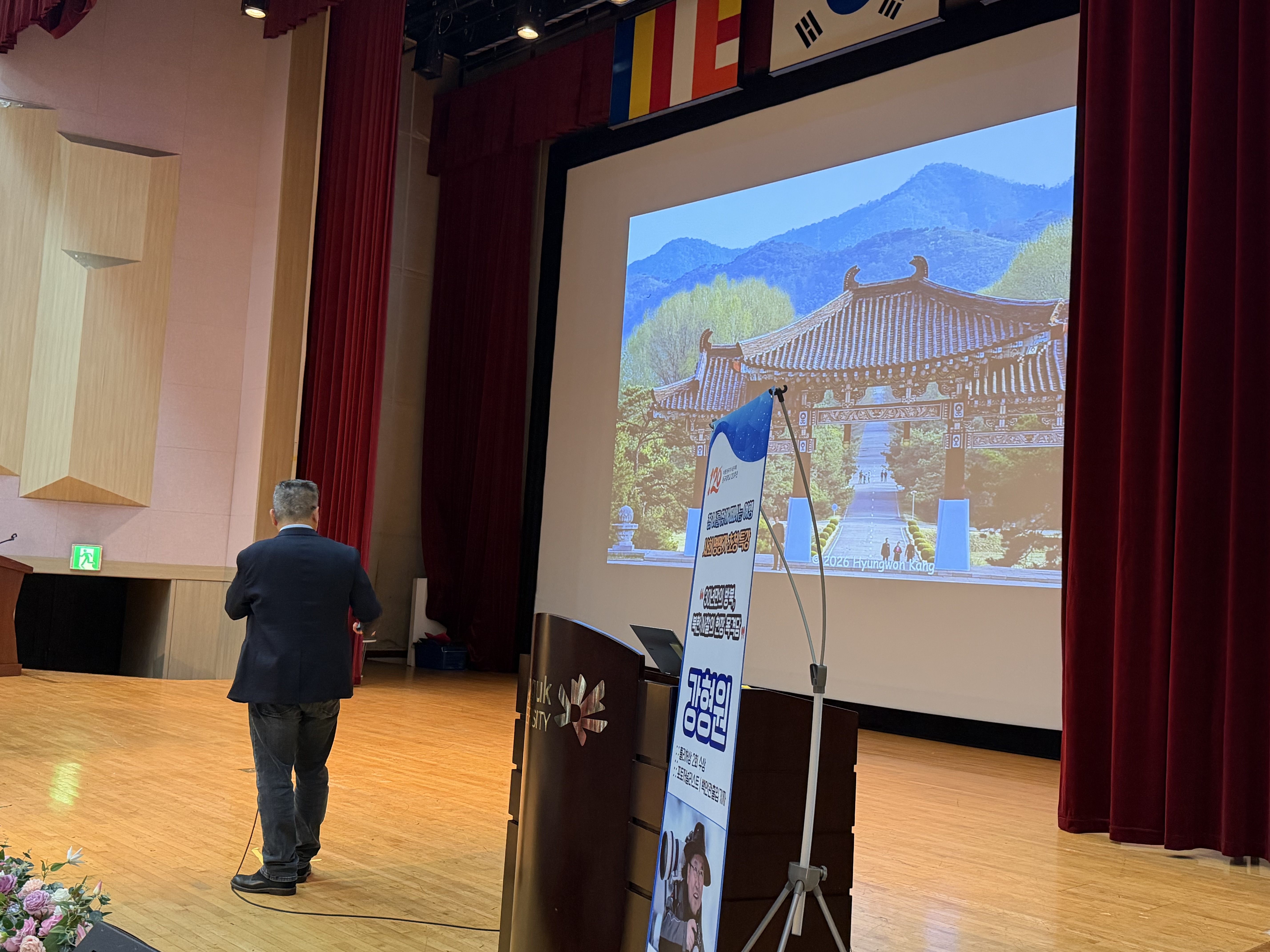
3주차 강형원 멘토님 특강 우수감상문 (한영중 번역)
현대 북한을 통해 다시 바라본 나의 고향과 삶
이영금
이번 멘토님이신 강형원 기자님의 방북 이야기를 들으면서 가장 기억에 남았던 것은 북한 주 민들의 평범한 일상을 담은 사진과 영상이었습니다. 사람들과 함께 춤을 추고 웃으며 즐거운 시간을 보내는 모습이었는데, 저는 그 장면을 한참 바라보게 되었습니다. 특히 춤을 추던 아 줌마와 아저씨들의 밝은 표정이 인상 깊었습니다. 그 모습을 보면서 ‘저 사람들은 지금 어떤 생각을 하고 있을까?’라는 궁금증과 함께, 우리가 생각하는 삶의 만족이나 행복의 기준은 과 연 무엇인지 생각하게 되었습니다. 저는 북한에서 태어났지만 북한을 제대로 기억할 만큼 오래 살지는 못했습니다. 어린 나이에 중국으로 떠났고, 이후 중국에서 오랜 시간을 살아왔습니다. 그래서 북한에 대한 기억은 많지 않고, 주로 어머니에게 들었던 이야기와 이후 만난 탈북민 친구들의 이야기를 통해 북한의 현 실을 알게 되었습니다. 어머니가 이야기해 주신 북한은 먹고사는 것이 쉽지 않고 감시와 통제 가 심한 곳이었습니다. 특히 제가 북한을 떠났던 1990년대는 경제적으로 매우 어려운 시기였 고, 많은 사람들이 살아남기 위해 고향을 떠나야 했습니다. 저 역시 어린 나이에 그런 현실 속에서 북한을 떠나게 되었습니다. 그래서 저에게 북한은 오랫동안 ‘어렵고 힘든 곳’이라는 이 미지가 강하게 자리 잡고 있었습니다.
그런데 이번 강의를 통해 사진과 영상으로 본 현재의 북한은 제가 기억하고 있던 과거의 모습과는 조금 달라 보였습니다. 주민들이 휴대전화를 사 용하고, 자전거와 버스 등 다양한 교통수단을 이용하며, 생활 속에서 기술과 편의시설을 활용 하는 모습도 볼 수 있었습니다. 물론 몇 장의 사진과 영상만으로 북한 주민들의 삶 전체를 판 단할 수는 없습니다. 외부와의 교류가 제한되어 있고, 우리가 알지 못하는 사회적 제약과 어 려움도 분명히 존재할 것입니다. 그렇지만 그들도 자신에게 주어진 환경 속에서 가족과 친구, 이웃과 관계를 맺고, 일하고, 서로 의지하며 하루하루를 살아가고 있다는 점은 인상 깊었습니 다. 북한에 대한 저의 기존 생각이 조금은 달라지는 계기였습니다. 저는 더 나은 삶을 살기 위해 북한을 떠났고, 중국을 거쳐 한국에 와서 지금까지 열심히 살 아왔습니다. 한국에 오면 더 자유롭고 좋은 환경에서 살 수 있을 것이라고 생각했습니다. 실 제로 한국에서 저는 많은 것을 누리고 있습니다. 자유롭게 이동할 수 있고, 음식과 생활환경 도 풍요롭습니다. 노력한다면 내가 원하는 것을 얻을 수 있는 기회도 많고, 나의 미래를 스스 로 선택할 수 있는 자유도 있습니다. 하지만 한국에서 살아보니 좋은 환경이 반드시 마음의 여유로 이어지는 것은 아니었습니다. 공부를 하면서도 다른 사람보다 늦은 것 같아 불안하고, 잠시 쉬고 있을 때조차 ‘이렇게 쉬어도 되는 걸까?’라는 생각이 들기도 합니다. 다른 사람과 나를 계속 비교하면서 ‘왜 나는 잘되지 않을까?’라고 스스로를 탓할 때도 많았습니다. 때로는 자존감이 낮아지고 삶의 의미를 잃은 것처럼 느껴지기도 했습니다. 특히 홀로 살아가면서 외 롭고 힘들었던 순간도 있었습니다. 그래서 영상 속에서 가족이나 친구들과 함께 웃고 춤추는 북한 주민들의 모습이 더욱 오래 마음에 남았습니다. 그들의 삶이 제가 생각하는 것만큼 풍요 롭지 않을 수도 있고, 사회적인 제약과 어려움도 많을 것입니다. 하지만 그들 역시 자신이 속 한 사회 안에서 가족과 친구, 이웃과 관계를 맺으며 자신의 일상을 살아가고 있었습니다.
이를 보면서 저는 우리가 가진 환경이나 물질적인 조건만으로 삶을 판단하기는 어렵다는 생각 을 하게 되었습니다. 자유와 안전, 경제적인 여유와 같은 기본적인 조건은 분명 중요하지만, 사람에게는 그와 함께 자신을 이해해 주는 사람, 함께 웃고 의지할 수 있는 관계, 그리고 자 신의 삶을 바라보는 마음가짐도 중요하다는 것을 느꼈습니다. 어쩌면 우리는 더 많은 것을 가 질 수 있게 된 만큼 다른 사람과 자신을 비교하며 스스로를 힘들게 만들고 있는지도 모릅니 다. 누군가에게는 가족과 함께 보내는 평범한 하루가 소중할 수 있고, 또 다른 사람에게는 좋 은 직업이나 경제적인 안정이 중요할 수 있습니다. 결국 사람마다 중요하게 생각하는 것이 다 르기 때문에 자신의 삶을 다른 사람의 기준으로 판단할 필요는 없다는 생각이 들었습니다. 이번 강의를 통해 저는 북한을 바라보는 시선도 조금 달라졌습니다. 북한의 어려운 현실과 사회적 제약을 외면할 필요는 없지만, 그곳에 사는 모든 사람들이 똑같이 불행할 것이라고 생 각해서도 안 된다고 느꼈습니다. 어느 사회에나 각자의 삶을 살아가는 사람들이 있고, 그 안 에서 기쁨과 어려움을 경험하기 때문입니다.
저는 북한에서 태어나 중국에서 생활했고 지금은 한국에서 살아가고 있습니다. 서로 다른 환경을 경험하면서 어느 한 사회를 단순하게 비교하 기보다는 서로의 삶과 문화를 이해하고 존중하는 것이 중요하다는 생각을 하게 되었습니다. 거창한 통일을 이야기하기에 앞서 서로의 문화를 이해하고 존중할 수 있는 작은 소통의 문이 열렸으면 좋겠습니다. 서로 다른 환경에서 살아왔지만 가족을 사랑하고, 친구와 웃으며, 더 나 은 삶을 위해 노력하는 평범한 사람이라는 점에서는 서로 크게 다르지 않다고 생각합니다. 동 시에 다른 사람과 나를 비교하며 부족한 점만 바라보기보다, 내가 살아온 과정과 지금의 삶도 조금은 소중하게 바라보아야겠다는 생각을 하게 되었습니다.
Looking Back on My Hometown and Life Through Today’s North Korea
What stayed with me the most while listening to the story of my mentor, reporter Kang Hyung-won, was the photos and videos showing the ordinary daily lives of North Korean residents. He showed people dancing together, laughing, and enjoying their time, and I found myself watching those scenes for quite a while. I was especially struck by the bright expressions of the women and men who were dancing. As I watched them, I wondered, “What are those people thinking right now?” This also made me think about what we really mean when we talk about standards of life satisfaction and happiness.
I was born in North Korea, but I did not live there long enough to remember it properly. I left for China at a young age and have lived there for a long time since. Because of this, I do not have many memories of North Korea. So most of what I know about the reality of North Korea comes from what my mother told me and, later, from the stories shared by North Korean defector friends I met. The North Korea my mother described to me was a place where making a living was not easy and where surveillance and control were severe. In particular, the 1990s, when I left North Korea, was a very difficult time economically, and many people had to leave their hometowns in order to survive. I, too, left North Korea at a young age amid such circumstances. Because of this, for a long time, I had a strong image of North Korea as a “difficult and harsh place.”
However, the North Korea of today that I saw through the photos and videos in this lecture looked somewhat different from the North Korea of the past that I remembered. I could see residents using mobile phones, using various means of transportation such as bicycles and buses, and making use of technology and conveniences in their daily lives. Of course, it is impossible to judge the entire lives of North Korean residents based on just a few photos and videos. North Korea restricts its interactions with the outside world, and there are certainly social constraints and difficulties that we are not aware of. Nevertheless, it was striking to see that they, too, are living their daily lives within the environment they have been given, building relationships with family, friends, and neighbors, working, and relying on one another. It was an opportunity for my previous thoughts about North Korea to change somewhat.
I left North Korea to live a better life, came to South Korea through China, and have worked hard to build my life up to now. I thought that if I came to South Korea, I would be able to live in a freer and better environment. In fact, I am enjoying many things in South Korea. I can move around freely, and the food is abundant and living environment are comfortable. If I make an effort, there are many opportunities for me to get what I want, and I also have the freedom to choose my own future. However, after living in South Korea, I realized that having a good environment does not necessarily bring peace of mind. Even while studying, I sometimes feel anxious because I feel that I am behind other people, and even when I take a short break, I sometimes find myself thinking, “Is it okay for me to rest like this?” There were also many times when I compared myself to others and blamed myself, asking, “Why am I not doing well?” At times, my self-esteem dropped, and I even felt as though I had lost the meaning of life. There were also many times when I felt lonely and had a hard time living on my own. That is why the image of North Korean residents laughing and dancing with their families or friends in the video stayed in my mind even longer. Their lives may not be as prosperous as I imagine, and there may be many social constraints and difficulties. However, they too are living their daily lives within the society they belong to, forming relationships with their families, friends, and neighbors. Seeing this, I came to think that it is difficult to judge life solely by the environment or material conditions we have. Basic conditions such as freedom, safety, and economic stability are certainly important, but I felt that for people, it is also important to have someone who understands them, relationships in which they can laugh and rely on one another, and the mindset with which they look at their own lives. Perhaps we are making things harder for ourselves by comparing ourselves with others as our lives become more free and comfortable. For some people, an ordinary day spent with their family may be precious, while for others, having a good job or economic stability may be important. In the end, because what each person considers important is different, I felt that there is no need to judge one's own life by another person's standards.
Through this lecture, my perspective on North Korea also changed. There is no need to ignore the difficult reality and social constraints of North Korea, but I also felt that we should not think that everyone living there must be equally unhappy. This is because in every society, there are people living their own lives and experiencing both joy and hardship within them. I was born in North Korea, lived in China, and am now living in South Korea. Having experienced different environments, I came to think that rather than simply comparing one society with another, it is important to understand and respect each other's lives and cultures. Before talking about something as grand as reunification, I hope that a small door of communication can open through which we can understand and respect each other's cultures. Although we have lived in different environments, I do not think we are very different from one another in that we are ordinary people who love our families, laugh with our friends, and work toward a better life. At the same time, rather than only looking at my shortcomings by comparing myself with others, I have come to think that I should look a little more carefully and appreciatively at the life I have lived and the life I am living now.
通过现代朝鲜重新审视我的故乡与生活
听了这次导师姜型权(音译)记者的访朝故事后,最让我印象深刻的是记录了朝鲜居民平凡日常的照片与视频。画面中人们聚在一起跳舞、欢笑,度过着愉快的时光,我不由得注视了那个场景许久。特别是正在跳舞的大妈和大叔们那明朗的表情,给我留下了深刻的印象。看着那一幕,我不禁产生了一种好奇——“这些人现在在想些什么呢?”,同时也让我开始思考,我们所认为的生活满意度或幸福标准究竟是什么。
我虽然出生在朝鲜,但并没有在朝鲜生活到能够对其产生完整记忆的年纪。我很小的时候就去了中国,此后在中国度过了漫长的岁月。因此,我对朝鲜并没有太多记忆,主要还是通过母亲讲述的故事以及后来结识的脱北者朋友的故事来了解朝鲜的现实。母亲口中的朝鲜是一个温饱都难以解决、并且监视和控制十分严厉的地方。特别是自我离开朝鲜的1990年代起,那是一个经济上极其困难的时期,许多人为求生存不得不背井离乡。我也在年幼时身处那样的现实中离开了朝鲜。因此,在很长一段时间里,“困难而艰辛的地方”这一形象在我的脑海中深深扎根。然而,通过这次讲座中照片和视频所看到的如今的朝鲜,似乎与我记忆中的过去有些不同。我看到了居民们使用手机,乘坐自行车和公交车等各种交通工具,并在生活中运用科技与便利设施的样子。当然,我们不能仅凭几张照片和视频就断定朝鲜居民生活的全部。外界的交流受到限制,我们所不知道的社会制约和困难也必定客观存在。即便如此,他们也在自己被赋予的环境中与家人、朋友、邻居建立关系,工作并相互依偎,过好每一天,这一点让我深有感触。这也是一个让我对朝鲜的既有看法发生少许改变的契机。
为了过上更好的生活,我离开了朝鲜,经由中国来到韩国,并一直努力生活到今天。我曾以为来到韩国就能生活在更自由、更好的环境中。事实上,我在韩国确实享受着许多便利。不仅可以自由出行,饮食和生活环境也非常丰裕。只要努力,就有许多机会得到自己想要的东西,也有自主选择未来的自由。然而在韩国生活下来后,我发现优渥的环境并不一定能带来内心的从容。即使在学习时,也会因为觉得自己比别人慢而感到不安;甚至在短暂休息的时候,脑海中也会浮现出“这样休息真的可以吗?”的想法。经常因为不断拿自己和别人做比较而责怪自己“为什么我做不好呢?”有时甚至会感到自尊心低下,仿佛失去了生活的意义。尤其是独自生活时,也曾有过孤独和疲惫的瞬间。正因如此,视频中那些和家人、朋友一起欢笑、跳舞的朝鲜居民的面貌,更久久留在了我的心头。或许他们的生活并没有我想象得那么丰裕,也会有很多社会制约与困难。但他们同样在自己所属的社会里,与家人、朋友、邻居建立着联系,过着属于自己的日常生活。
看到这些,我开始觉得很难仅仅通过我们拥有的环境或物质条件来评判生活。自由、安全、经济宽裕等基本条件固然重要,但对于人来说,同样重要的还有那些能够理解自己的人、可以一起欢笑并相互依靠的关系,以及看待自己生活的内心姿态。或许正是因为我们拥有了更多,才会不断拿自己与他人作比较,从而让自己过得很辛苦。对某个人而言,与家人共度的平凡一天或许无比珍贵;而对另一个人来说,一份好工作或经济上的稳定可能更为重要。归根结底,每个人所重视的事情各不相同,因此我觉得没必要用别人的标准来衡量自己的生活。
通过这次讲座,我对朝鲜的视线也有所改变。虽然没必要回避朝鲜严峻的现实和社会的制约,但我也感觉到,不能认为那里生活的每一个人都同样不幸。因为无论在哪个社会,都有各自认真生活的人们,并会在其中体验到快乐与困难。我出生在朝鲜,在中国生活,现在又在韩国生活。在经历过不同的环境后,我开始觉得比起简单地比较某一个社会,理解并尊重彼此的生活与文化更为重要。在谈论宏大的统一之前,我希望能够打开一扇能够理解和尊重彼此文化的小小沟通之门。虽然我们在不同的环境中长大,但在深爱家人、与朋友欢笑、为了更好的生活而努力这一点上,我们作为普通人并没有太大的不同。与此同时,比起一边拿自己和别人比较、只盯着自己的不足,我更觉得应该稍微珍视一下自己走过的历程以及当下的生活。